In today's fast-paced world, where financial stability is a top priority, mastering effective savings strategies is crucial, especially for Nigerian millennials. With the rising cost of living and economic uncertainties, saving money might seem challenging, but it's more attainable than you think. Whether you're saving for a new car, a down payment on a house, or just aiming to secure your financial future, having a solid savings plan can make all the difference.
Many young Nigerians are looking for ways to stretch their income and make smart financial decisions. By adopting practical savings strategies, you can confidently navigate economic challenges and build a brighter future. In this guide, we'll explore actionable savings strategies tailored to Nigerian contexts, helping you achieve greater financial security.
Understanding Savings Goals
Before diving into savings strategies, it's essential to understand your savings goals. These goals are your financial roadmap, guiding you toward where you want to be in the future.
Short-term Goals
Short-term goals are typically achieved within a year. They might include saving for a vacation, an emergency fund, or a new gadget.
- Set a specific amount: Decide how much you need and by when.
- Create a timeline: Break your goal into manageable monthly savings targets.
Long-term Goals
Long-term goals take several years to achieve and could involve saving for a house, retirement, or education.
- Calculate future costs: Understand how much you'll need, factoring in inflation.
- Invest wisely: Consider putting money in high-yield savings accounts or investment portfolios.
Pro Tip: Always align your savings strategy with your financial goals to stay motivated.
Choosing the Right Bank Account
Selecting the right bank account is a fundamental step toward successful saving. Various accounts offer different benefits, so it's crucial to pick one that aligns with your savings strategy.
Types of Bank Accounts
- Savings Accounts: Ideal for short-term savings with easy access to funds.
- Fixed Deposit Accounts: Offer higher interest rates for locking your money away for a specific period.
For instance, if you're saving for a long-term goal, a fixed deposit account might be more beneficial due to the higher interest rates.
Evaluating Bank Offers
Not all banks are created equal, so research is key. Compare interest rates, fees, and customer service.
- Visit bank websites: Most banks list their rates and offers online.
- Read reviews: Customer feedback can provide insights into bank reliability.
Effective Saving Strategies
Now that we've set the groundwork, let's delve into practical saving strategies that fit the Nigerian context.
50/30/20 Rule
One popular method is the 50/30/20 rule, which divides your income into needs, wants, and savings.
- 50% for Needs: Essentials like rent, groceries, and bills.
- 30% for Wants: Leisure activities, dining out, and shopping.
- 20% for Savings: Directly funnel this portion into your savings account.
Insight: Automating your savings can ensure you adhere to this rule without effort.
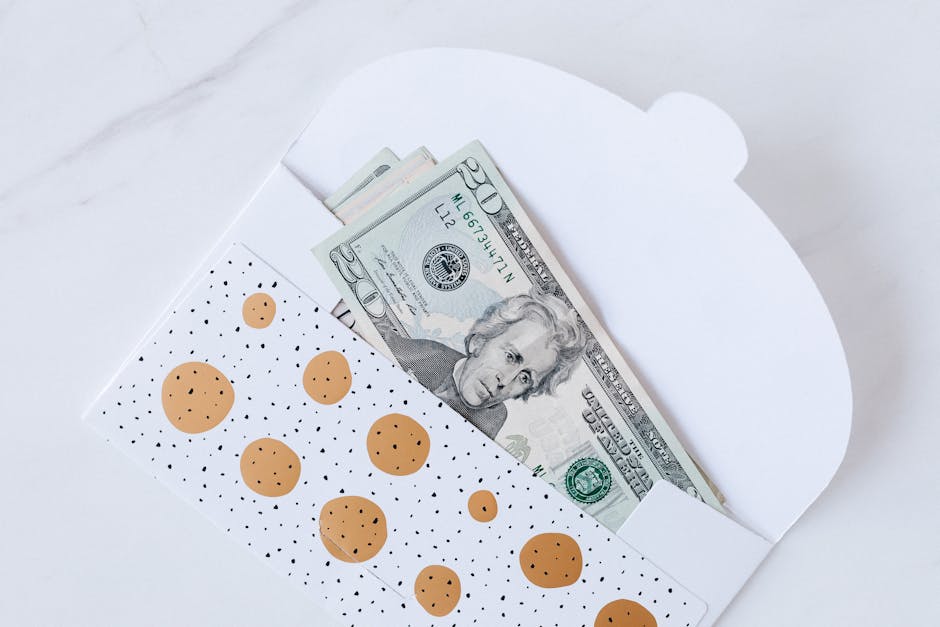
Envelope System
An age-old method that can still be effective in controlling spending and increasing savings.
- Allocate cash into envelopes labeled with different categories (e.g., food, savings, entertainment).
- Once an envelope is empty, it's a signal to stop spending in that area for the month.
Utilize Technology
With advancements in technology, there are numerous apps that can assist you in managing your finances and tracking your savings.
- Try budgeting apps like Mint or YNAB to keep track of expenditure.
- Use bank apps for setting savings goals and automatic transfers.
Overcoming Savings Challenges
Despite the best intentions, saving money can be challenging due to various personal and economic factors.
Handling Inflation
Inflation can erode the purchasing power of your savings over time, but there are ways to combat this.
- Invest in inflation-beating assets like stocks or real estate.
- Keep a portion of your savings in a high-interest account to counteract inflation impacts.
Emergency Expenses
Unexpected expenses can derail your savings plan, but being prepared can mitigate their impact.
- Build an emergency fund equivalent to 3-6 months of living expenses.
- Regularly review and adjust your budget to accommodate any changes.
Conclusion
Saving money isn't merely a financial task; it's a commitment to your future. By setting clear goals, choosing the right financial tools, and employing effective savings strategies, you can pave the way to financial independence. Remember, the key to successful saving is consistency and discipline. Stay focused, and your efforts will surely pay off, allowing you to achieve your dreams and secure a prosperous future.