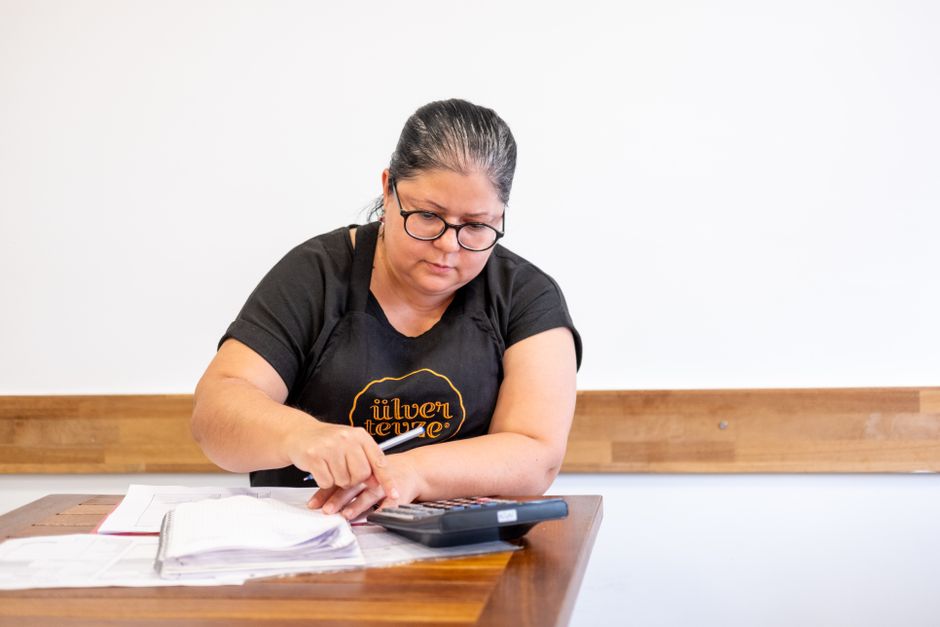
Sitting in my small, sunlit apartment in Lagos, I stared at the spreadsheet on my laptop. The numbers stared back, and I felt a mix of determination and apprehension. My goal? To save ₦500,000 in just 12 months. It was a daunting task, but I knew it was possible with discipline and strategic planning.
This journey began at the start of the year. I had just received a small bonus from my job as a digital marketer, and instead of spending it all, I decided to put it towards my savings goal. My reasons were clear: I wanted financial security and the ability to invest in my future goals, like pursuing a certification in digital marketing. This is the story of how I managed to do it.
Setting a Realistic Savings Goal
The first step was setting a concrete, realistic goal. I decided on ₦500,000 because it was a challenging yet achievable target based on my income and expenses. Setting this goal required an honest look at my finances.
Analyzing Monthly Income and Expenses
I started by listing all sources of income, including my monthly salary and any side income from freelance gigs. My monthly income averaged around ₦250,000.
Next, I meticulously listed my monthly expenses, which included rent, groceries, transport, and discretionary spending. My monthly expenses came to about ₦150,000. This meant I had about ₦100,000 left each month to save and use for other needs.
"Understanding your financial landscape is crucial for setting achievable goals."
Creating a Monthly Budget
- Essentials: Rent, utilities, and groceries — these were non-negotiable.
- Savings: I allocated ₦50,000 for savings each month.
- Discretionary: Entertainment, dining out, and shopping were capped at ₦20,000.
- Emergency Fund: I put aside ₦10,000 for unexpected expenses.
By sticking to this budget, I ensured that I lived within my means while steadily working towards my savings goal.
The Challenge of Cutting Expenses
Even with a budget, I quickly realized I needed to cut down on unnecessary expenses to maximize my savings.
Adjusting Lifestyle Choices
I started cooking more meals at home instead of eating out. This simple change saved about ₦10,000 monthly. Additionally, I reduced my data plan and switched to a more affordable service provider, saving another ₦5,000 each month.
I also embraced public transport, which was both cost-effective and practical in a city like Lagos.
"Small, consistent changes can significantly impact your financial health."
Embracing Minimalism
Inspired by the minimalist lifestyle, I began decluttering my apartment, selling items I no longer needed. This not only brought in extra cash but also reinforced the importance of thoughtful purchasing.
Boosting Income with Side Hustles
To accelerate my savings, I needed to increase my income. Enter side hustles.
Freelancing in Digital Marketing
Leveraging my skills, I took on freelance digital marketing projects during weekends. This side gig brought in an additional ₦30,000 to ₦40,000 each month.
Exploring Other Opportunities
I also explored opportunities in tutoring, teaching basic digital marketing skills to beginners for extra income.
- Offered weekend classes at a local community center.
- Marketed my tutoring services through social media.
These efforts added about ₦20,000 monthly to my income.
Staying Motivated and Accountable
Keeping motivation high was essential to staying on track.
Visual Tracking
I used a visual savings tracker on my fridge, coloring in sections as my account balance grew. This tangible progress kept my spirits high.
Accountability Partners
I shared my goal with friends and family. Their support and periodic check-ins kept me accountable.
"Sharing your goals can provide the external motivation needed to achieve them."
Reaping the Rewards of Financial Discipline
By the end of the year, I had not only reached my goal of ₦500,000 in savings but also gained invaluable financial discipline and confidence.
This achievement was more than just numbers in a bank account; it was a testament to what thoughtful planning and disciplined saving can accomplish. I now have the financial freedom to consider further education and invest in future opportunities.
Conclusion
Saving ₦500,000 in a year was not without its challenges, but the journey taught me the value of setting concrete goals, cutting unnecessary expenses, and seeking additional income streams. For anyone looking to improve their financial health, remember that every small step counts. Start today, stay disciplined, and watch your savings grow.