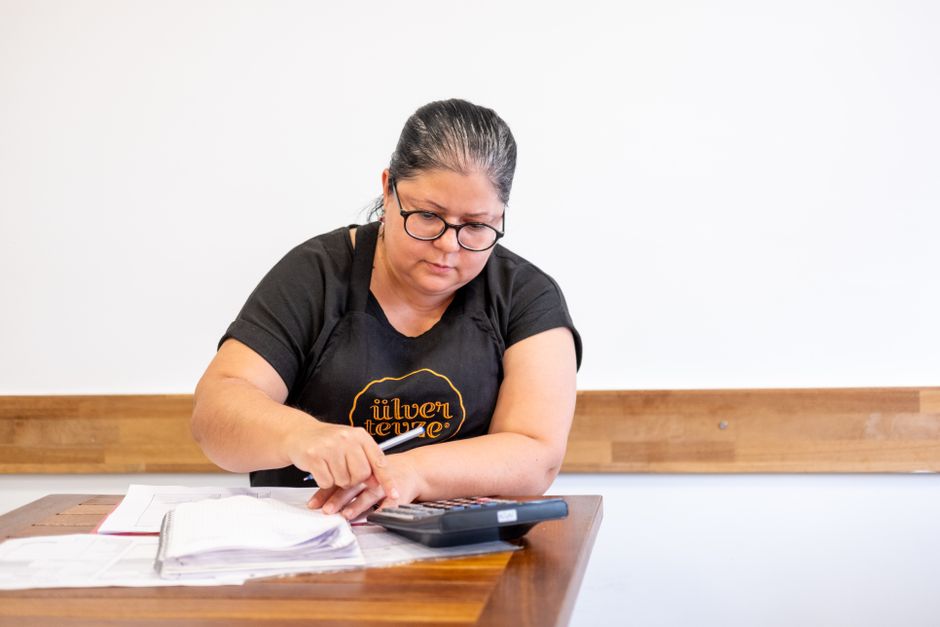
Budgeting can be a real headache, especially if the usual methods aren’t yielding results. Imagine struggling to save for a major goal, like a house in Lagos or your child’s education, only to find your budget consistently falling short. If this scenario sounds familiar, you’re not alone. Many people in Nigeria face similar challenges, and it’s not always due to a lack of effort. Here, we’ll dive deep into some troubleshooting strategies for those budgeting hurdles that seem impossible to clear.
Sometimes, the typical budgeting advice just doesn’t work. You might have tried tracking every naira, cutting down on jollof rice at your favorite local spot, or even skipping those tempting online sales that pop up every week. But if these strategies aren’t working, it’s time to examine what might be going wrong.
Identifying the Root Causes of Budget Failures
Overestimating Income
This is a common pitfall. You might have expected a bonus at work or some other unexpected income source, but it didn’t materialize. It’s crucial to base your budget on your actual, consistent income.
- Use your last three months of bank statements to calculate your average monthly income.
- Be conservative in your projections. Only include guaranteed sources of income.
Underestimating Expenses
Many budgets fail because they don’t account for irregular but inevitable expenses like car repairs or medical bills. It’s essential to factor these into your budgeting plan.
- Create a buffer for unexpected expenses by setting aside a small percentage of your income each month.
- Track your spending in categories where you often underestimate, such as dining out or transportation costs.
"A budget is telling your money where to go instead of wondering where it went." - John C. Maxwell
Rethinking Your Budgeting Strategy
Zero-Based Budgeting
This method requires you to allocate every naira of your income to expenses, savings, or debt repayment, ensuring no money is left unaccounted for.
- Prioritize your spending. Essentials come first, followed by savings and debt.
- Review and adjust your allocations each month to reflect any changes.
50/30/20 Rule
A popular strategy that divides your income into three categories: 50% for needs, 30% for wants, and 20% for savings or debt repayment.
- Modify percentages based on your personal financial goals and priorities.
- Evaluate monthly spending to ensure you stay within these limits.
Leveraging Local Resources and Tools
Mobile Money Solutions
Utilize apps like Paystack and Flutterwave that offer budgeting and tracking functionalities tailored for Nigerian users.
- Set up automatic transfers to your savings account on payday.
- Use spending alerts to avoid overspending.
Community Savings Groups (Ajo or Esusu)
Participating in these traditional savings groups can provide both accountability and a structured savings plan.
- Join a group within your community or workplace to start saving.
- Ensure the group is trustworthy and has a clear plan for payouts.
Addressing Psychological Barriers to Budgeting
Impulse Spending
This is often the budget killer. How many times have you seen something and just couldn’t resist buying it?
- Implement a 48-hour rule where you wait before making non-essential purchases.
- Identify and avoid triggers that lead to impulse buying.
Financial Anxiety
Fear of facing financial realities can lead to avoidance. It’s important to confront these fears head-on.
- Set small, achievable financial goals to build confidence.
- Regularly review your budget and financial statements.
Conclusion
Budgeting is not a one-size-fits-all process, especially in a diverse and dynamic financial environment like Nigeria. By understanding the root causes of your budgeting struggles and experimenting with unconventional strategies, you can find a method that works for you. Remember, the goal is not just to create a budget, but to maintain one that adapts to your life. With the right approach, you can achieve financial stability and peace of mind.