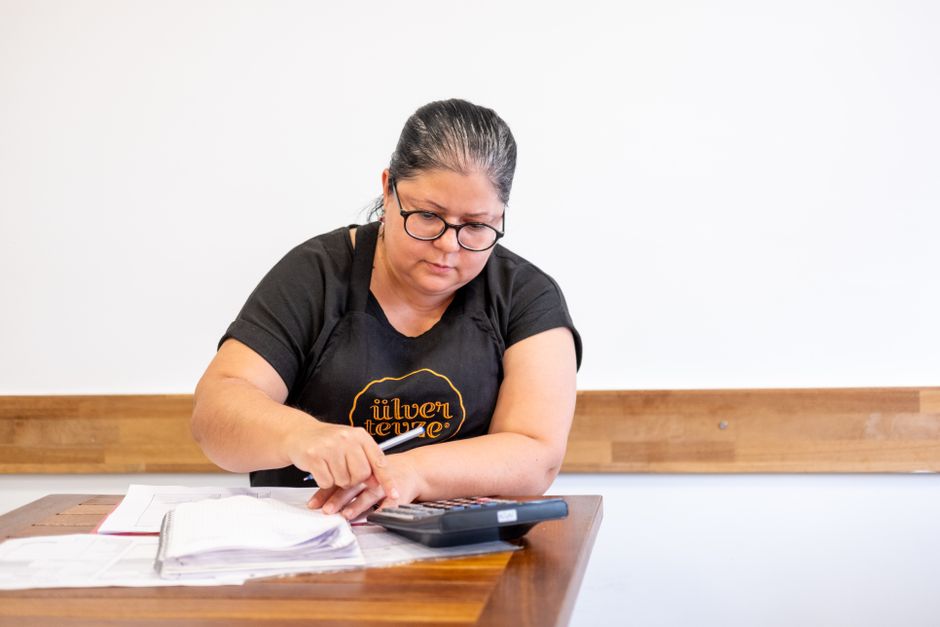
Back when I was 25, the concept of saving money seemed like an abstract notion. I thought I had all the time in the world. But as time went on, I realized that my choices could have been more strategic. If I could go back in time, there are a few things I would do differently with my savings.
For many young Nigerians, the idea of saving seems overwhelming. After all, when you're just starting your career, earning a modest salary, and dealing with the pressures of daily expenses, saving can easily take a back seat. However, looking back, I see clear paths I could have taken to improve my financial health.
Join me as I walk through practical changes I’d make, which could also serve as valuable lessons for anyone just starting their saving journey.
Understanding the Importance of a Financial Plan
Why a Plan Matters
At 25, I didn't have a clear financial plan. This lack of direction led to sporadic and ineffective saving habits. A solid plan would have provided a roadmap.
- Set Clear Goals: Establish specific, measurable financial goals. This could involve setting a target for your first N1,000,000 or creating an emergency fund.
- Budget Wisely: A simple budget can significantly impact your ability to save. Using tools like Excel or apps like PiggyVest can help track expenses.
Learning to Live Within Means
If I had learned to live within my means earlier, I could have avoided unnecessary debt and increased my savings.
- Avoid Lifestyle Inflation: Resist the urge to upgrade your lifestyle every time you get a raise.
- Focus on Needs, Not Wants: Prioritize expenditures that are necessary over those that are merely desirable.
The Power of Early Investments
Investing in Mutual Funds
Investing early wasn't on my radar, but it should have been. Mutual funds can be a great starting point for beginners.
- Diversify Your Portfolio: Spread your investments across various assets to reduce risk.
- Understand Compounding: The earlier you start, the more you benefit from compounding interest.
Exploring Stock Market Options
Watching the stock market felt intimidating, but it offers substantial growth potential.
"The stock market is filled with individuals who know the price of everything, but the value of nothing." — Philip Fisher
Start small, educate yourself, and gradually increase your investments as you become more confident.
Building an Emergency Fund
Why It's Crucial
An emergency fund is a financial buffer that can keep you afloat in unexpected situations.
- Three to Six Months of Expenses: Aim to save enough to cover three to six months' worth of living expenses.
- Separate Account: Keep your emergency savings in a separate account to avoid dipping into it for non-emergencies.
Where to Start
Begin with small, regular contributions. Use an automatic transfer to ensure consistency.
Mastering the Art of Frugality
Finding Joy in Simplicity
Frugality isn't about being cheap; it's about being resourceful and finding joy in simplicity.
- Second-Hand Shopping: Explore thrift shops for clothing and furniture.
- DIY Projects: Engage in do-it-yourself projects to save money on home improvements.
Smart Shopping Tips
From groceries to gadgets, adopting smart shopping habits can lead to significant savings.
- Use Coupons and Discounts: Leverage sales, coupons, and discounts to reduce costs.
- Plan Meals: Planning meals in advance can minimize food waste and reduce grocery bills.
Final Thoughts
The journey to financial stability is unique for everyone, but there are universal lessons that can pave the way. If I could start saving again at 25, these strategies would be my guiding stars. For young Nigerians embarking on their financial journeys, I hope my experiences can be both a warning and a guide. It's never too late to start making smart financial choices, and every small step counts.