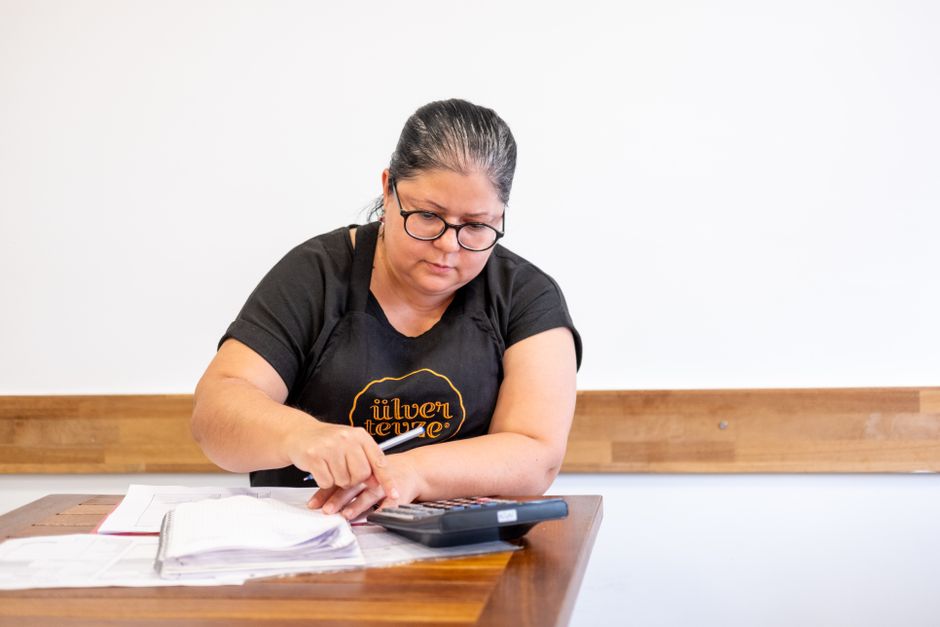
Savings can be a challenging endeavor, especially in Nigeria where economic conditions can be unpredictable. Whether it's rising inflation rates or unexpected personal expenses, many Nigerians find themselves struggling to save effectively. However, understanding and mastering savings is crucial for financial stability and future security. In this article, we'll explore practical strategies that you can apply to boost your savings. These tips are tailored to fit the Nigerian context, making them relatable and actionable.
From daily habits to long-term planning, saving money is a skill that takes time to develop but pays off in the long run. Let's dive into some effective methods that not only help you accumulate wealth but also make you feel more financially secure.
Understanding the Importance of Savings
Before diving into strategies, it's essential to understand why savings are crucial. Savings offer a safety net in times of emergencies, help in achieving financial goals, and provide a sense of security. In Nigeria, where the economy can be volatile, having a savings cushion is particularly important.
Safety Net for Emergencies
An emergency fund can help you navigate through unexpected situations such as medical emergencies, job loss, or unexpected travel. Typically, it's recommended to have at least three to six months’ worth of living expenses saved up.
"An emergency fund is not a luxury; it's a necessity in today's uncertain economic climate."
Achieving Financial Goals
Savings can also help you achieve significant financial milestones such as buying a house, paying for education, or going on a long-desired vacation. Setting clear goals can motivate you to save consistently.
Security and Peace of Mind
The psychological benefits of savings are undeniable. Knowing you have some money tucked away can reduce stress and give you peace of mind, allowing you to make better financial decisions.
Practical Saving Strategies for Nigerians
Now that we understand the importance of savings, let's discuss some practical strategies that can help you save effectively.
Setting a Savings Goal
Begin by determining what you are saving for. Is it a short-term goal like a new gadget or a long-term goal like a retirement fund? Knowing your goal can help you create a savings plan that suits your needs.
- Define your goal: Be specific about what you want to achieve.
- Set a timeframe: Determine how long it will take to reach your goal.
- Break it down: Divide the total amount needed by the number of months to achieve it.
Automate Your Savings
One of the easiest ways to ensure you save consistently is to automate your savings. Set up a direct transfer from your salary account to your savings account every month.
- Choose a reliable bank: Ensure your bank offers automated transfers.
- Set a consistent amount: Decide on a fixed amount to be transferred monthly.
"Automation is key to consistency; it ensures you pay yourself first before any other expenses."
Cutting Down on Non-Essential Expenses
Review your spending habits and identify areas where you can cut back. Whether it's reducing dining out or shopping less online, these small changes can add up over time.
- Track your expenses: Use apps or a simple notebook to keep tabs on where your money goes.
- Identify cutback areas: Look for non-essential expenses that can be reduced or eliminated.
Leveraging Nigerian Cultural Practices for Saving
Nigeria's diverse cultural landscape offers unique practices that can be leveraged for savings.
Esusu and Ajo
These traditional savings systems involve a group of people contributing a fixed amount periodically, with each member taking turns receiving the total contribution.
- Community support: These systems rely on trust and community ties.
- Discipline: Encourages members to commit to regular savings.
Informal Investment Clubs
Many Nigerians are members of investment clubs where they pool resources to invest in opportunities like real estate or small businesses.
- Shared knowledge: Members learn from each other’s experiences.
- Risk sharing: Reduces individual risk by spreading it across the group.
Building a Savings-Friendly Lifestyle
Creating a lifestyle that supports your savings goals is crucial for long-term success.
Embrace Minimalism
Adopting a minimalist lifestyle can help you focus on what's truly important and reduce unnecessary expenditures.
- Value experiences over things: Spend on experiences that enrich your life.
- Declutter: Sell or donate items you no longer need.
Healthy Eating on a Budget
Food expenses can take a big chunk of your budget. Learning to cook and buying local produce can save you money.
- Plan your meals: Reduce waste by planning meals in advance.
- Buy in bulk: Save by purchasing non-perishable items in large quantities.
Final Thoughts
Saving money is a journey that requires patience, discipline, and strategic planning. While the economic landscape in Nigeria can be challenging, adopting these practical savings strategies can help you build a more secure financial future. Remember, it's never too late to start saving, and every little bit counts towards achieving your financial goals. By understanding the importance of savings, leveraging cultural practices, and adopting a savings-friendly lifestyle, you'll be well on your way to mastering the art of saving.