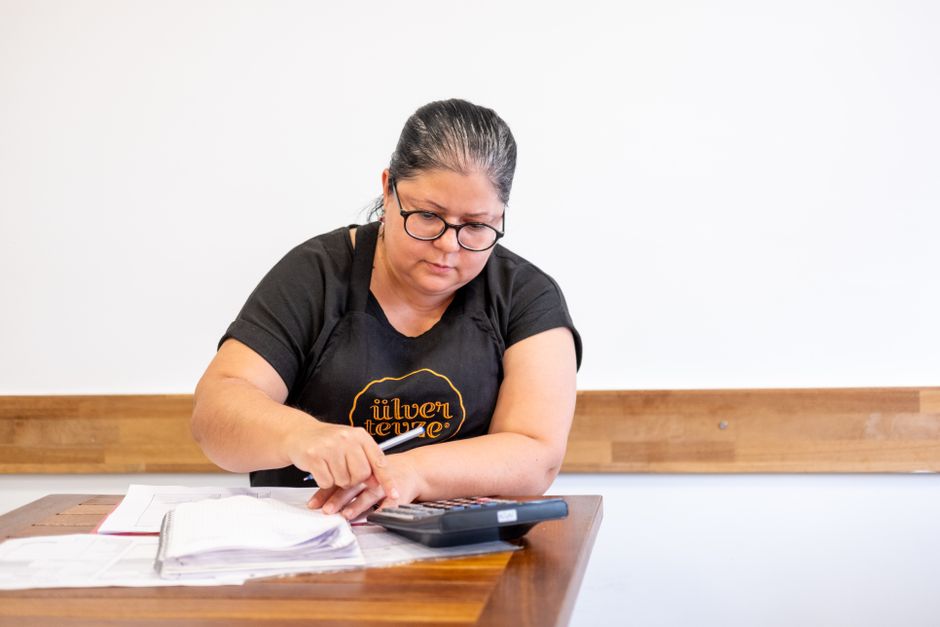
In a world where financial stability is more critical than ever, understanding how to effectively manage your budget is vital. For many Nigerians, the art of budgeting can be the difference between financial stress and financial security. Whether you are a young professional in Lagos, a small business owner in Ibadan, or a farmer in Kano, having a reliable budgeting strategy is crucial.
But budgeting doesn’t have to be complicated or restrictive. It’s all about making informed choices and sticking to them. Fortunately, with the right guidance, anyone can master the art of budgeting and set themselves on a path to financial success. This guide will explore practical budgeting strategies specifically designed for Nigerian households, helping you make the most of your hard-earned naira.
Understanding the Basics of Budgeting
What is Budgeting?
Budgeting is essentially the process of creating a plan on how to spend your money. It involves tracking your income and expenses to ensure you’re living within your means and saving for the future. A budget helps you allocate resources to different areas, such as bills, groceries, and savings, allowing you to manage your finances effectively.
Why Budgeting is Important
Budgeting is crucial because it gives you control over your money. It helps you avoid unnecessary debts, prepare for emergencies, and work towards financial goals like buying a home or starting a business. For Nigerians, where economic fluctuations can affect financial stability, budgeting becomes even more critical.
"Budgeting is not just about limiting the money you spend but about maximizing the money you have."
Steps to Create a Budget
Step 1: Calculate Your Income
Start by listing all your sources of income. This could include your salary, side businesses, or any other earnings. Knowing your total income gives you a clear picture of how much money you have available to spend and save.
Step 2: List Your Expenses
Next, identify your fixed and variable expenses. Fixed expenses are those that stay the same each month, such as rent or mortgage, while variable expenses can vary, such as groceries and entertainment. Categorize your expenses to see where your money is going.
Step 3: Set Financial Goals
Having clear financial goals is essential. Whether it’s saving for a new car, a child’s education, or an emergency fund, setting goals will motivate you to stick to your budget. Make sure your goals are specific, measurable, and attainable.
Step 4: Adjust Your Spending
Once you understand your income and expenses, it’s time to make adjustments. Look for areas where you can cut back and redirect those funds towards your savings or financial goals. This might mean eating out less often or canceling subscriptions you don’t use.
Step 5: Monitor and Revise
Budgeting is not a one-time task. It requires regular monitoring and adjustments. Review your budget monthly to track your progress and make necessary changes to stay on track with your financial goals.
Top Budgeting Tools for Nigerians
Mobile Apps
There are several budgeting apps available that cater to the Nigerian market. Apps like Money Manager and Wallet NG can help track expenses and manage budgets conveniently from your smartphone.
Spreadsheets
For those who prefer a hands-on approach, using spreadsheets can be a great way to customize your budgeting process. Programs like Microsoft Excel and Google Sheets offer templates that make it easy to start budgeting.
Common Budgeting Mistakes to Avoid
Not Setting Realistic Goals
Setting unrealistic financial goals can lead to disappointment and frustration. Ensure your goals are achievable based on your income and lifestyle.
Ignoring Small Expenses
Small, frequent expenses can add up quickly. Be sure to account for all spending, no matter how insignificant it may seem.
Failing to Adjust the Budget
Life is unpredictable, and your budgeting plan should reflect any changes in your financial situation. Be flexible and adjust your budget as needed.
Conclusion
Mastering budgeting is a powerful skill that can significantly impact your financial future. By understanding the basics, setting realistic goals, and utilizing the right tools, you can take control of your finances and work towards achieving your dreams. Remember, budgeting is not about restricting your spending but about making smart choices that align with your financial goals.
Start today and take the first step towards financial independence. Your future self will thank you for it.