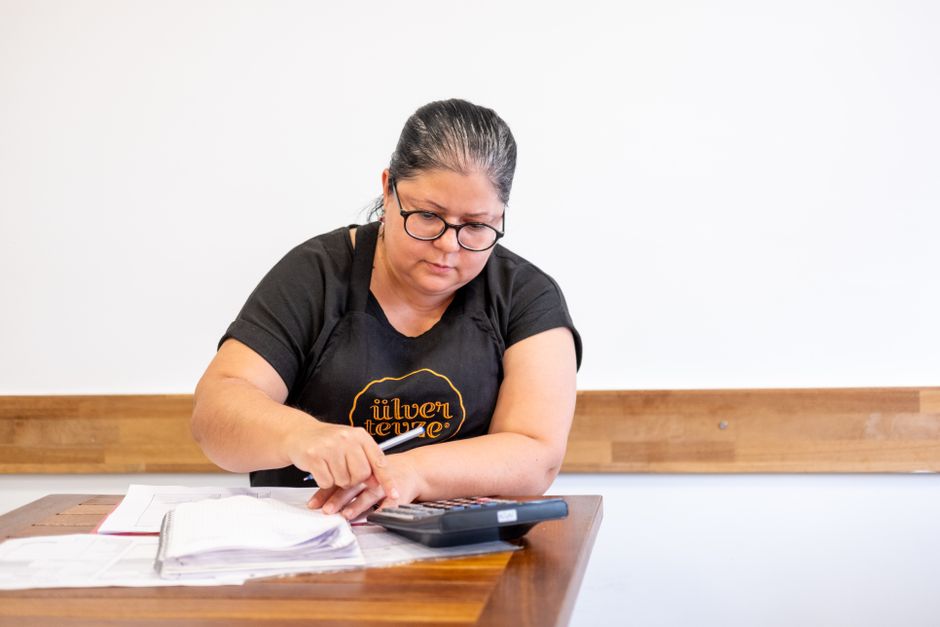
Budgeting might seem like a tedious task at first glance, but it's a crucial step towards financial stability. In Nigeria, where economic fluctuations are common, having a well-structured budget can be your financial lifeline. Not only does it help you track where your money is going, but it also aids in making informed decisions about saving and spending.
Many Nigerians often find it challenging to keep up with their finances due to a lack of effective budgeting strategies. This guide aims to break down budgeting into simple, actionable steps you can start applying today. Whether you're a student managing allowances or a professional with a steady income, understanding and mastering the art of budgeting can significantly improve your financial health.
In this article, we will explore practical budgeting tips tailored to the Nigerian context, helping you achieve your financial goals while accommodating the unique economic environment of our beloved country.
Understanding Your Income and Expenses
Identify Your Sources of Income
Before you can budget effectively, it's important to have a clear understanding of your income. This includes not just your salary, but any other sources such as freelance work, side businesses, or investments.
- Start by listing all regular income sources.
- Consider seasonal or irregular income as well.
Knowing exactly how much money you have coming in each month will serve as the foundation for your budget.
Track Your Expenses
The next step is to track how much money you are spending. Be diligent in noting everyday expenses as well as periodic payments such as rent or school fees.
"The key to successful budgeting is knowing exactly where your money is going."
Utilize budgeting apps or a simple spreadsheet to categorize your expenses into necessities and non-essentials.
Setting Realistic Financial Goals
Short-term vs. Long-term Goals
Setting financial goals gives you a sense of direction and purpose. Divide your goals into short-term (like saving for a new phone) and long-term (such as buying a house).
- Short-term goals: Achievable within a year.
- Long-term goals: Take more than a year to achieve.
Having clear goals keeps you motivated and focused on the bigger picture.
Make Your Goals SMART
To ensure your financial goals are effective, they should be SMART: Specific, Measurable, Achievable, Relevant, and Time-bound.
"Without SMART goals, your financial plans are just wishes without a roadmap."
Write down your goals and review them regularly to track your progress.
Creating a Practical Budget
Choose a Budgeting Method
There are various budgeting methods to choose from, such as the 50/30/20 rule or zero-based budgeting. Select one that fits your lifestyle.
- 50/30/20 rule: 50% on needs, 30% on wants, 20% on savings.
- Zero-based budgeting: Every naira is accounted for.
Experiment with different methods to find what works best for you.
Adjust Your Budget Regularly
Your financial situation isn't static, and your budget shouldn't be either. Regularly review and adjust your budget to accommodate changes in income or expenses.
"A flexible budget adapts to your changing financial circumstances, ensuring sustainability."
Be proactive in updating your budget to reflect your current financial realities.
Saving Strategies for Nigerians
Emergency Fund
An emergency fund acts as a financial cushion during unforeseen circumstances. Aim to save at least three to six months' worth of living expenses.
- Start small, build gradually.
- Keep it in a separate, easily accessible account.
Having an emergency fund helps you avoid debt during emergencies.
Investing for the Future
Besides saving, investing is a crucial part of building wealth. Consider options such as stock market investments, treasury bills, or real estate.
"Investing allows your money to work for you, growing over time to meet your financial goals."
Research thoroughly and seek professional advice where necessary to make informed investment decisions.
Final Thoughts
Budgeting is a powerful tool that can transform your financial life. By understanding your income and expenses, setting realistic goals, creating a flexible budget, and employing smart saving strategies, you can navigate Nigeria's economic landscape with confidence and ease.
Remember, the journey to financial stability is a marathon, not a sprint. Stay committed, be patient, and continuously educate yourself about personal finance. Your future self will thank you.