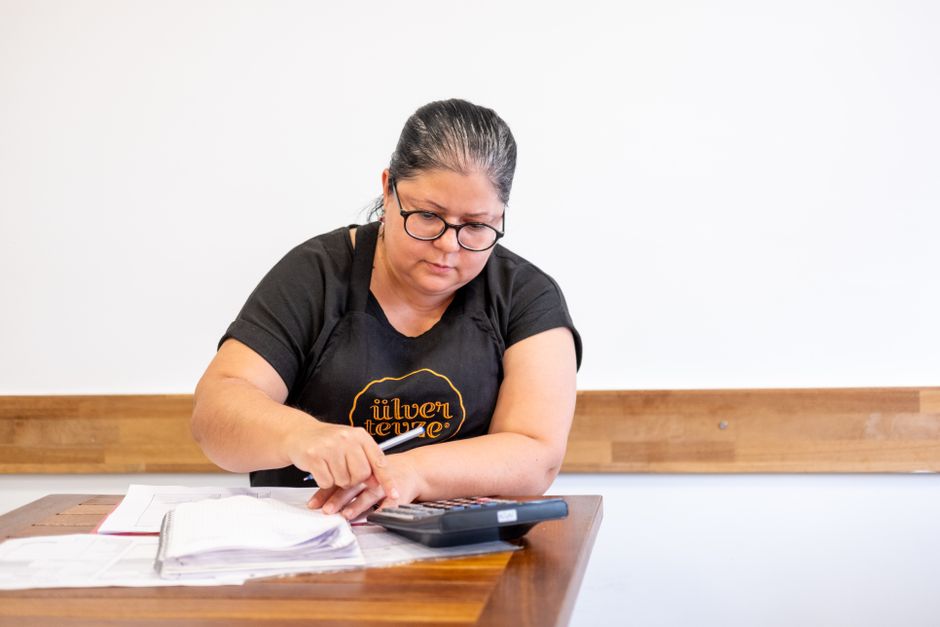
Reflecting on my financial journey, I often find myself pondering the mistakes I made in my young adult life. Mistakes that, had I avoided, might have positioned me on a much more secure financial footing today. Saving money is a ubiquitous goal, yet it's surprisingly easy to sidestep the crucial first steps or veer off course entirely. Through my own experiences, I hope to share some practical insights that may steer you away from the pitfalls I encountered.
Back in my university days in Lagos, I was living on a tight budget, juggling between academic expenses and personal needs. Yet, saving wasn't my priority. I often succumbed to the allure of trendy gadgets and spontaneous outings. While these provided temporary satisfaction, their impact on my savings was anything but fleeting.
If I could turn back the clock, there are specific strategies and mindsets I would have embraced to bolster my financial standing. This article explores those reflections and shares actionable steps for anyone looking to improve their savings strategy today.
Understanding the Power of Compound Interest
If there's one financial concept that seems like magic, it's compound interest. I learned about it in theory but failed to apply it early. The idea that money can make more money is as fascinating as it is powerful, yet abstract when you're young and impatient.
The Missed Opportunity
When I started my first job, instead of prioritizing long-term savings, I focused on instant gratification. I didn't take advantage of savings accounts that offered interest nor considered investment options that could compound over time.
- Start early. Even small amounts can grow significantly over time.
- Explore savings accounts and investment options that offer compound interest.
"The best time to plant a tree was 20 years ago. The second-best time is now." - Chinese Proverb
What I'd Do Differently
I would have opened a high-yield savings account or mutual fund investment as soon as I received my first paycheck. While friends splurged on the latest smartphone, I wish I had put that money to work, allowing it to grow in the background.
Setting Specific Financial Goals
Without clear goals, my savings strategy was like a ship without a sail—directionless and prone to be swayed by every whim. My savings were sporadic, and my financial achievements were minimal.
Defining My Financial Path
Having specific, measurable, achievable, relevant, and time-bound (SMART) goals would have provided a roadmap for my savings efforts. Rather than saving aimlessly, I should have identified what I wanted to accomplish financially.
- Set short-term and long-term savings goals.
- Regularly review and adjust your goals as your financial situation changes.
What I'd Do Differently
From buying my first car to planning a vacation, setting tangible goals with timelines would have kept me accountable and motivated. It's not just about how much you save, but why you're saving that makes a difference.
Budgeting: The Foundation of Savings
For many, the word 'budget' conjures feelings of restriction. For me, it was simply nonexistent. I thought I had a handle on my finances until I faced numerous end-of-the-month financial scrambles.
The Importance of a Detailed Budget
I realized that budgeting is less about limitation and more about prioritization. It’s the tool that can help you allocate resources more effectively, ensuring your savings plan is achievable.
- Create a monthly budget that accounts for all expenses and savings.
- Use budgeting apps to track expenses and identify areas of improvement.
What I'd Do Differently
Implementing a disciplined budgeting approach as a student would have mitigated many of the cash flow challenges I faced. I would have used apps like Money Manager to track spending and stay within my limits, freeing up more funds for saving.
Embracing Minimalism
Adopting a minimalist mindset could have greatly benefited my financial health. I frequently bought things that brought little joy or utility, cluttering both my space and bank statements.
The High Cost of Clutter
Without realizing it, I was spending money on items that didn't genuinely enhance my life. The allure of keeping up with societal pressures overshadowed the actual utility of many purchases.
- Assess the value of each purchase before committing.
- Simplify life by reducing unnecessary expenses.
What I'd Do Differently
I would have prioritized experiences over possessions, focusing on quality over quantity. By aligning my spending with my values early on, I could have saved significantly more, not just financially but also in terms of mental clarity.
Final Thoughts
Hindsight is, indeed, 20/20. Reflecting on my financial past sheds light on the importance of making informed, intentional decisions about saving. While I can't change the past, I hope my experiences serve as a guide for those looking to strengthen their financial future. Remember, it's never too late to start making smarter financial choices. If you're just beginning your savings journey or seeking to refine your approach, take these lessons to heart, and chart a course towards financial success.